Tennyson Inlet: Marlborough Sounds Hidden Gem | Complete Guide
Tennyson Inlet, Marlborough region, New Zealand
What is Tennyson Inlet?
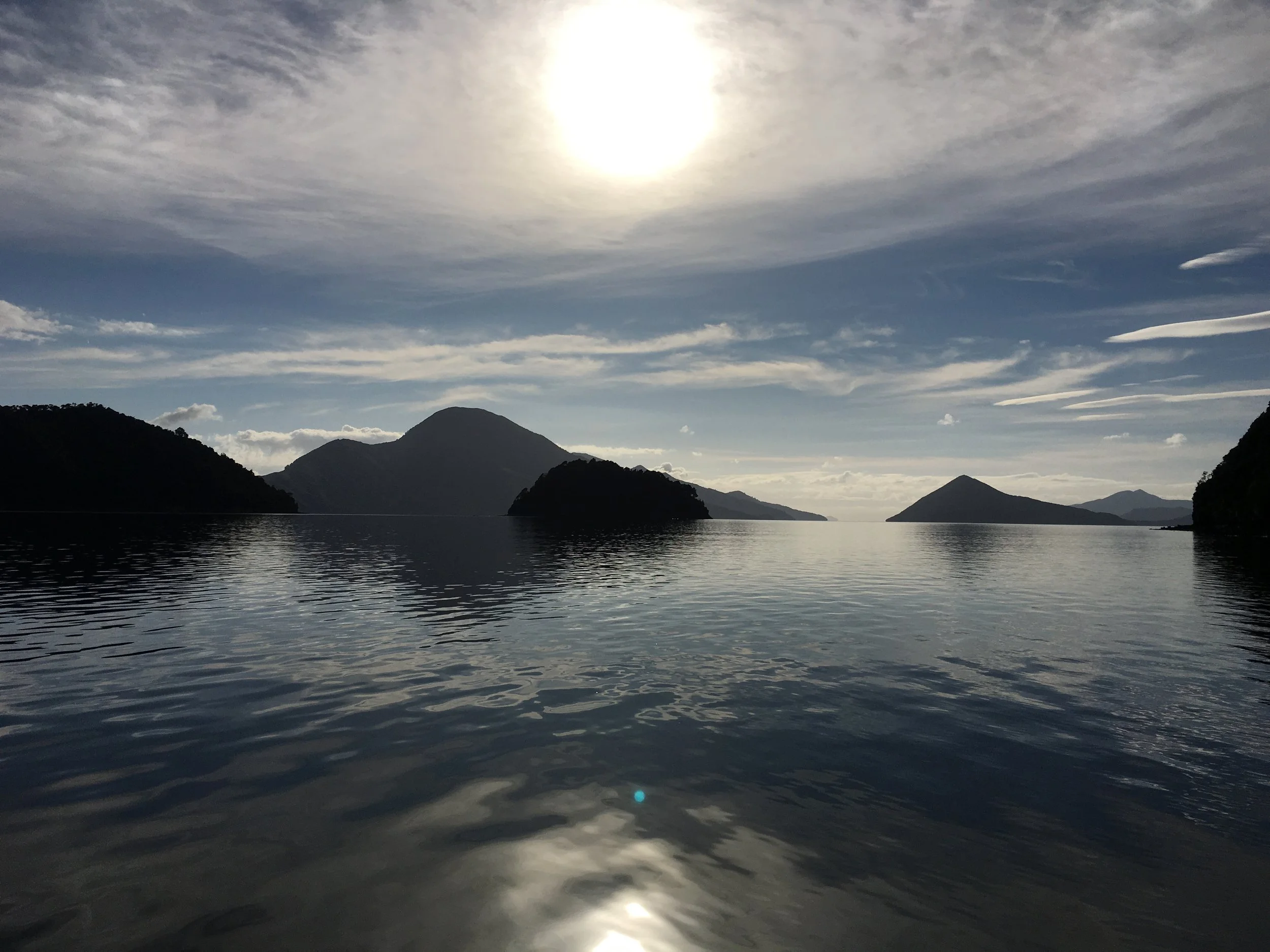
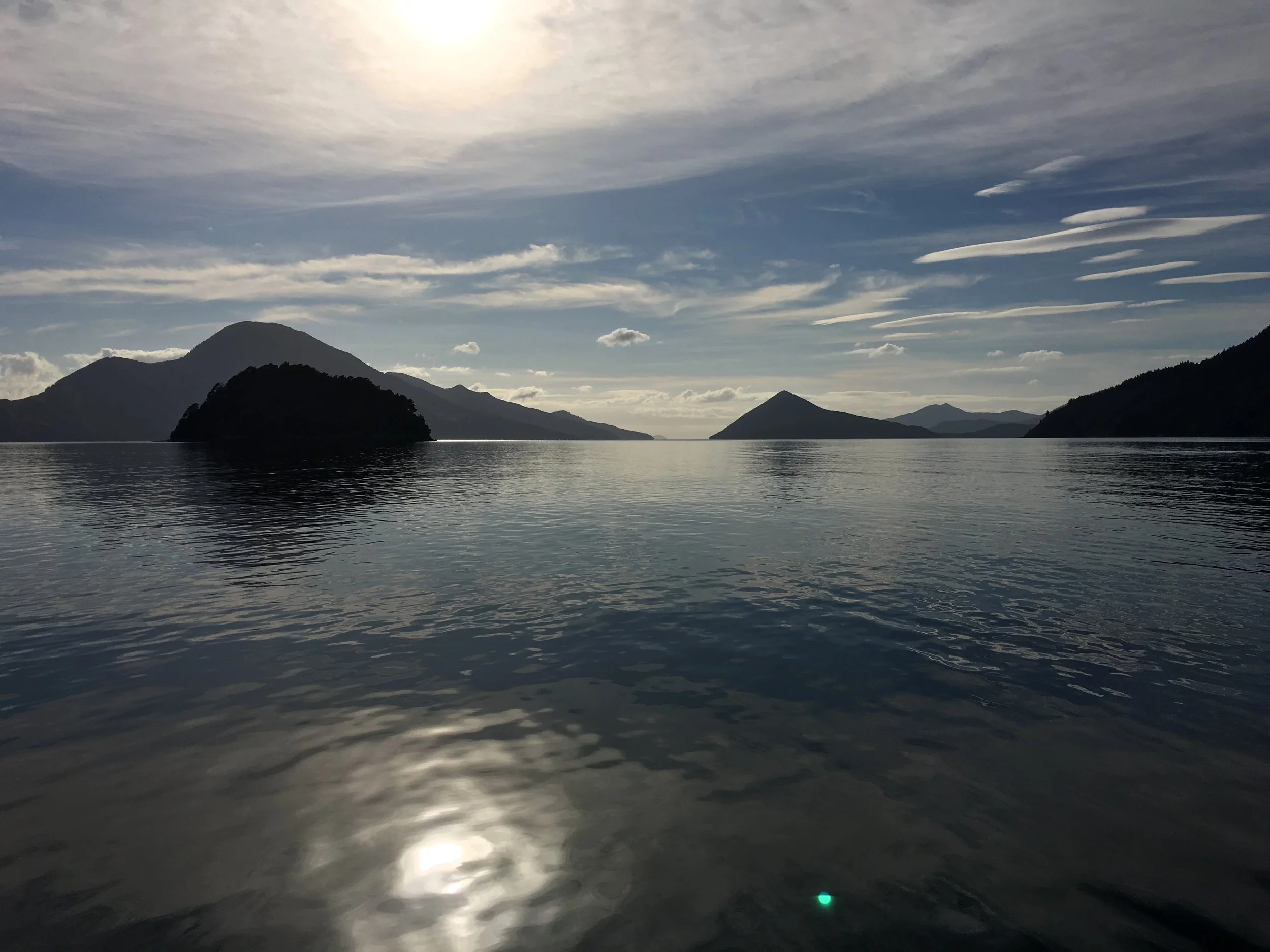
Tennyson Inlet is the remote western arm of Pelorus Sound (Te Hoiere) in the Marlborough Sounds, South Island, New Zealand. This 10-kilometre inlet features pristine ancient forests, significant Māori cultural sites, and some of the most intact coastal wilderness remaining in the Inner Sounds.
Location: Western Pelorus Sound, Marlborough region
Access: 32km winding road from Rai Valley via Ōpouri Saddle
Population: 18 permanent residents
Conservation status: Outstanding natural character area
Māori Heritage: Te Hoiere and Ngāti Kuia
The Story of Te Hoiere
Tennyson Inlet sits within Pelorus Sound, known in te reo Māori as Te Hoiere – named after the sacred waka (canoe) of Matua Hautere. According to Ngāti Kuia tradition, Matua Hautere, a descendant of the legendary navigator Kupe, travelled to Te Waipounamu (the South Island) guided by the kaitiaki (guardian) Kaikaiawaro.
Tarakaipā Island: A Living Cultural Landscape
Tarakaipā Island, one of the inlet's two largest islands, carries the name of Ngāti Apa tipuna (ancestor) Tarakaipa, a great-grandson of Tamahau. The island served as a crucial mahinga mātaitai (traditional fishing ground), providing access to important moki and elephant fish breeding areas. Archaeological evidence includes a pā and kāinga (village) complex.
Cultural ownership: Ngāti Kuia hold ownership of Tarakaipā Island through their Treaty of Waitangi settlement, while Ngāti Apa maintain recognised cultural associations.
Why Visit Tennyson Inlet? Unique Features
-
Tennyson Inlet protects some of the most significant original forest stands in the Marlborough Sounds. The terrain rises dramatically from sea level to over 1,000 metres:
Editor Hill: 1,032m (west)
Mt Stanley: 971m (east)
Forest composition:
Canopy: Rimu, mataī, miro (centuries-old podocarps)
Mid-layer: Māhoe, kawakawa, nīkau palms, tree ferns
Understorey: Supplejack, kiekie, native orchids, mosses
Higher elevations: Mature beech forest and kāmahi
These forests represent the Marlborough Sounds as Captain James Cook first encountered them in the 1770s.
-
The 27km Nydia Track ranks among New Zealand's finest coastal forest walks, connecting Duncan Bay (Tennyson Inlet) to Kaiuma Bay (Pelorus Sound).
Track highlights:
Ancient podocarp forests with giant, centuries-old trees
Regenerating bush dominated by mānuka and kānuka
Native orchids (summer blooming)
Two saddles: Nydia Saddle (347m) and Kaiuma Saddle (387m)
Historic bush tramway remnants from timber industry
Duration: 2 days (6-7 hours to Nydia Lodge)
Suitable for: Hiking and mountain biking
Accommodation: Nydia Lodge (50 people), DOC campsite -
Bird species:
Tūī and korimako (bellbirds) - distinctive calls throughout forests
Kererū (native wood pigeons) - "swoosh swoosh" of wing beats
Pīwakawaka (fantails), toutouwai (robins), miromiro (tomtits)
Weka - ground-dwelling birds along forest edges
Little blue penguins - nesting on Tawhitinui Island
Marine life:
Kekeno (New Zealand fur seals) - shoreline colonies
Abundant eels (tuna) - Tuna Bay named for their numbers
Invertebrates:
Wētā populations on islands
Native scale insects producing honeydew
-
The Tennyson Inlet Islands Trust manages an ambitious predator-eradication programme across three DOC Scenic Reserve islands:
Tawhitinui Island (largest)
Tarakaipā Island
Awaiti Island (smallest)
Conservation achievements:
Possum-free status maintained
Ongoing rat, stoat, and wasp control
Baseline biodiversity surveys (2016)
Regenerated mature native forest coverage
Penguin breeding sites protected
These are the only significant, publicly accessible islands remaining in Pelorus Sound, making them vital biodiversity refuges.
The History Behind the Names
Literary Connection: Alfred, Lord Tennyson
The inlet bears the name of Victorian poet Alfred, Lord Tennyson (1809-1892), adding an unexpected literary flavour to this wilderness area.
Bay Names Tell Stories:
Duncan Bay: Named after a pioneer sawmiller
Tuna Bay: Named for abundant eels (tuna in te reo Māori)
Penzance Bay: From Gilbert & Sullivan's "Pirates of Penzance," after a notorious former resident and her family who engaged in various criminal activities
Elaine Bay, Deep Bay, Tawa Bay: Additional settlements and camping areas
European Settlement and Industry
Timber Industry Era
By the late 19th century, Tennyson Inlet and neighbouring Nydia Bay saw extensive timber extraction. Nydia Bay once featured a 300-metre wharf for exporting timber to Australia. When native forests were exhausted, sawmilling gave way to farming.
Gold Rush Legacy
The 1864 gold discovery in the Wakamarina Valley transformed the region, turning Havelock into a bustling port town and bringing populations into remote Sounds locations including the Tennyson Inlet area.
Agricultural Challenges
Farming proved difficult on the steep terrain. After clearing to 100-300m elevation by 1880, heavy rains triggered numerous landslips. Poor soil fertility required constant fertilisation, leading many farms to be abandoned and reverting to native bush.
Modern Era
1968: Marlborough County Council took over road maintenance
1973: Reticulated electricity finally reached the inlet
Today: ~18 permanent residents, numerous holiday homes, no cell coverage
Planning Your Visit to Tennyson Inlet
How to Get There
From Nelson (105km, ~2 hours):
Take State Highway 6 towards Rai Valley
Turn onto Ōpouri Road (before Rai Valley)
Follow 32km winding road over Ōpouri Saddle to Duncan Bay
Spectacular bush and Pelorus Sound views en route
From Blenheim: Via Havelock and Rai Valley
Boat access: Ramps at Duncan Bay and Penzance Bay
Activities
Tramping: Nydia Track, Archer Track, Ōpouri Track
Fishing: Renowned fishing spots throughout the inlet
Boating: Duncan Bay is the closest Sounds boat launch from Nelson
Kayaking: Sheltered waters, numerous bays to explore
Wildlife watching: Birds, seals, marine life
Camping: DOC sites at Harvey Bay, Ngawhakawhiti, Tawa Bay, Elaine Bay
Best Time to Visit
Summer (December-February): Warmest weather, native orchids blooming, but hunting closed 22 Dec - 9 Feb
Autumn (March-May): Settled weather, fewer visitors, wasp activity (carry antihistamine)
Winter-Spring (June-November): Quieter, misty atmospheric conditions, track can be muddy
Important Practical Information
No shops or public transport - bring all supplies
Limited/no cell coverage in most areas
Carry water or treat stream water (boil, filter, treat)
Fire permits are required year-round (restricted fire season)
Pre-arrange transport for Nydia Track (one-way track)
DOC permits required for hunting
Conservation Significance: Why Tennyson Inlet Matters
Tennyson Inlet has been officially recognised for containing:
Most intact original forest stands in the Marlborough Sounds
Longest unmodified coastal environment sections in the Inner Sounds
Outstanding natural character designation under regional planning
Ecological Challenges Addressed
Historical impacts included:
Deforestation and land clearance (1860s-1930s)
Sediment runoff from farming and logging
Gold mining siltation
Introduced predators (rats, stoats, possums, wasps)
Current conservation focuses on:
Predator control and eradication
Native forest regeneration
Island biosecurity
Water quality restoration
Biodiversity monitoring
Frequently Asked Questions
-
2 days with an overnight stop at Nydia Bay. Duncan Bay to Nydia Lodge takes approximately 6-7 hours, with another 5-6 hours to Kaiuma Bay.
-
Yes, you can drive to Duncan Bay and Penzance Bay via a winding 32km road from Rai Valley. Elaine Bay is accessed via the French Pass road.
-
Tūī, bellbirds, kererū, fantails, robins, weka, little blue penguins, fur seals, and various marine species. In forests, you'll hear diverse bird calls.
-
The Nydia Track requires moderate fitness, but shorter walks and beach access at various bays suit families. Limited facilities mean self-sufficiency is essential.
-
Te Hoiere is the Māori name for both Pelorus Sound and the sacred waka (canoe) of Ngāti Kuia ancestor Matua Hautere.
Key Takeaways
Tennyson Inlet offers visitors:
Pristine ancient forests unchanged since pre-European times
Rich Māori cultural heritage and ongoing kaitiakitanga
World-class tramping on the Nydia Track
Active island conservation sanctuary
Remote wilderness experience just hours from Nelson
Significant biodiversity and endemic species
Outstanding natural character in New Zealand's iconic Marlborough Sounds
Related locations: Pelorus Sound/Te Hoiere, Queen Charlotte Sound, Marlborough Sounds, Havelock, Nelson, Rai Valley
Iwi connections: Ngāti Kuia, Ngāti Apa ki te Rā Tō, Ngāti Koata